
Furniture - Furniture Restoration Providers
We explore common furniture restoration techniques to help homeowners understand their options and connect with trusted service providers in their area.
If you’ve ever wondered how furniture gets its renewed look or how to breathe new life into worn pieces, you’re in the right place. Common furniture restoration techniques explained here can help homeowners understand the options available for revitalizing their beloved furniture. Whether you're considering a DIY project or simply want to know what to ask a professional, exploring these methods can empower you to make informed decisions about restoring your home’s character and charm.
Many people in the area turn to furniture restoration as a practical way to preserve family heirlooms, update dated furniture, or simply enjoy the satisfaction of DIY projects. While this guide provides insight into the most popular techniques, it’s important to remember that professional services are often available to help achieve the best results. The forms on this page are designed to connect homeowners with reputable service providers in their community, making it easier to find trusted experts who can bring new life to furniture pieces with skill and care. Keep reading to discover which techniques might be right for your space and style.
- Refinishing techniques - homeowners may seek this service when their furniture has faded or scratched surfaces, and working with a trusted local provider can bring back a fresh, polished look.
- Repair and patching - when furniture pieces have cracks, chips, or broken parts, partnering with a skilled local restoration expert ensures durable fixes that restore structural integrity.
- Stripping and sanding - for those wanting to remove old paint or varnish, collaborating with experienced local professionals helps achieve a smooth, clean surface ready for new finishes.
- Reupholstering services - if furniture upholstery is worn or outdated, working with a reputable local specialist can transform pieces into stylish, comfortable additions to any space.
- Veneer repair - when veneer surfaces are peeling or damaged, connecting with a trusted local provider can help preserve the furniture’s appearance and extend its lifespan.
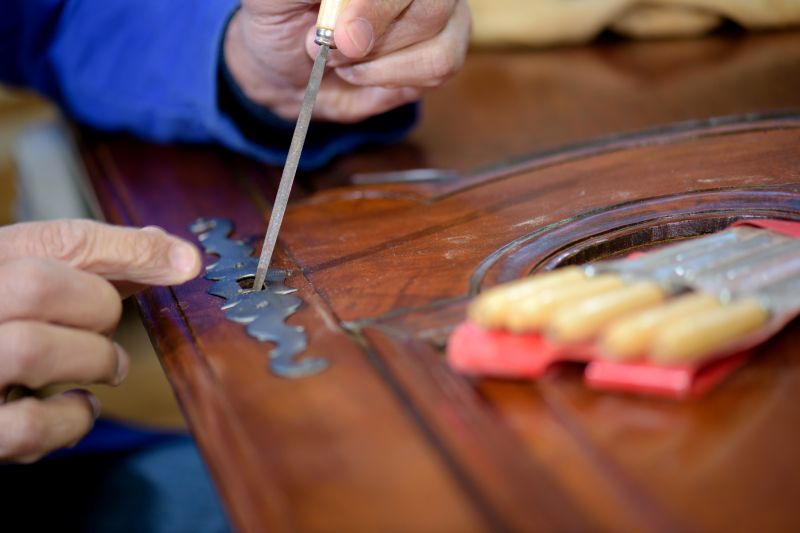
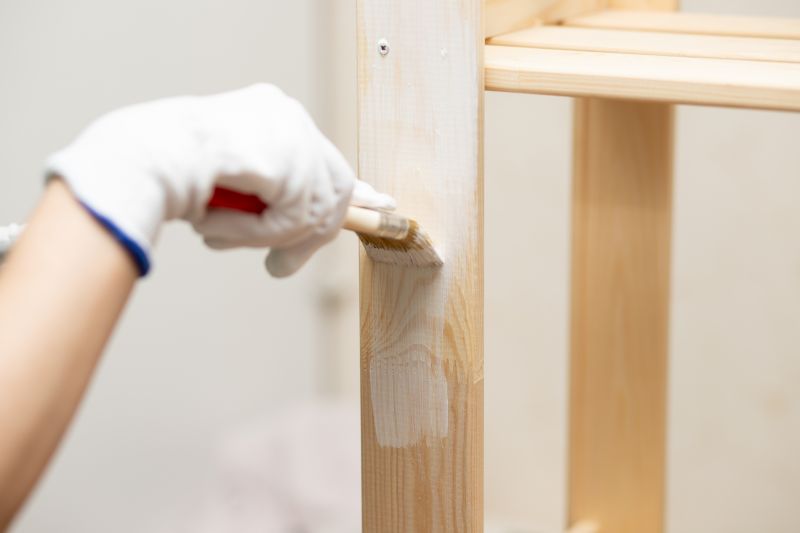
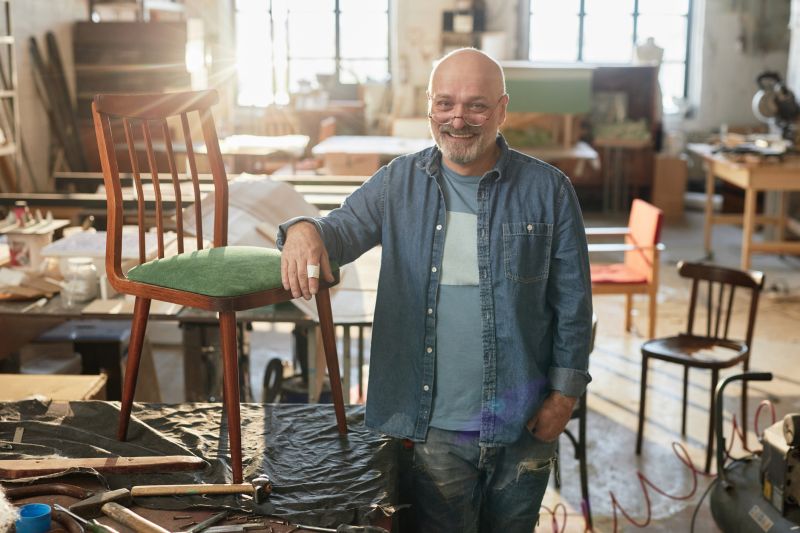
When homeowners search for common furniture restoration techniques explained, they are often looking to understand how to bring new life to worn, damaged, or outdated furniture pieces. This interest typically stems from a desire to preserve sentimental items, upgrade their living spaces without buying new furniture, or simply explore DIY options to save money. Concerns about the complexity of restoration work, the durability of results, and the potential for mistakes are common, prompting many to seek clear, practical guidance on the methods involved. Whether planning a small refresh or a full overhaul, these individuals want to know which techniques work best for different types of furniture and finishes, and how professional services can complement their efforts.
The needs and plans associated with common furniture restoration techniques often revolve around achieving a specific aesthetic or restoring structural integrity. For example, someone might want to strip and refinish a vintage dining table to highlight its natural wood grain, or they may need to repair a scratched or chipped dresser before repainting or staining it. Concerns about preserving the original character of a piece while making it functional again are typical, as are questions about the best way to handle delicate or antique furniture. Many customers are also interested in understanding the differences between techniques like sanding, staining, or reupholstering, so they can make informed decisions about how to approach their projects.
Situations that lead homeowners to explore common furniture restoration techniques vary widely. Some are tackling a DIY project as part of a home makeover, seeking to improve their skills and confidence along the way. Others may have inherited furniture that needs repair or refinishing to fit their current decor. In many cases, individuals are preparing to sell a piece and want it to look its best, or they may simply want to extend the life of a favorite item rather than replace it. These scenarios highlight the importance of understanding the different techniques available, as well as how professional furniture restoration services can provide expert guidance, repair, or finishing touches when needed.
While many homeowners consider DIY methods, they often recognize the value of professional furniture restoration providers for more complex or delicate projects. These specialists are equipped to handle techniques such as stripping finishes, repairing structural damage, or applying high-quality finishes that require skill and experience. Engaging with local furniture restoration experts can ensure that a piece is restored properly, maintaining its integrity and aesthetic appeal. Our platform is designed to connect homeowners with trusted service providers in their area, helping them find the right fit for their specific needs. The forms on this page collect lead details to facilitate this connection, making it easier for homeowners to access expert assistance and bring their furniture back to life with confidence.
This guide on common furniture restoration techniques aims to provide homeowners with a clear understanding of the options available for revitalizing their beloved pieces. Whether it’s a cherished antique or a modern find, knowing the different methods used to restore furniture can help inform decisions about repairs and upgrades. The techniques covered here include methods like sanding, staining, painting, and reupholstering, each suited to different types of furniture and desired outcomes. By understanding these approaches, homeowners can better communicate their vision and choose the best path for their restoration projects.
While this guide offers an overview of popular furniture restoration techniques, it’s important to note that the actual work is typically performed by experienced professionals. The content here is intended to empower homeowners with knowledge and help them identify what kinds of services might be suitable for their needs. When homeowners submit the form on this page, their details are matched with trusted local providers who specialize in furniture restoration. These providers can then offer tailored assistance, whether it’s stripping and refinishing, patching and repairing, or custom upholstery work - all aimed at bringing new life to furniture pieces.
It’s essential to understand that this platform does not perform furniture restoration services directly. Instead, it acts as a guide and connector, helping homeowners find reputable local experts who can execute the techniques discussed. The goal is to provide useful information and facilitate connections, so homeowners can confidently explore their options and choose the best service providers for their specific furniture needs. By collecting lead details through the form, the platform ensures that homeowners receive personalized recommendations from trusted professionals in their area, making the process of restoring furniture more accessible and straightforward.
Veneer Repair - This technique involves restoring or replacing damaged veneer surfaces, requiring precision and knowledge of wood layers, similar to refinishing furniture. Our platform can connect homeowners with specialists skilled in veneer restoration services and common furniture restoration techniques explained.
Stripping and Refinishing - Stripping old finishes and applying new coatings demand an understanding of wood preparation and finishing products, aligning closely with furniture restoration methods. We help homeowners find providers experienced in these techniques and related services.
Wood Carving and Detailing - Restoring intricate wood details involves fine craftsmanship and planning, which shares skills with furniture restoration processes like repair and reconditioning. Our lead-generation services can link homeowners to artisans skilled in detailed woodwork repairs.
Upholstery Repair - Repairing or reupholstering furniture involves fabric and padding work, often paired with frame restoration skills, making it related to common furniture restoration techniques explained. We facilitate connections to upholstery specialists experienced in comprehensive furniture care.
Crack and Split Repair - Filling and stabilizing cracks in wood surfaces requires understanding of wood movement and repair materials, similar to techniques used in furniture restoration. Our service can connect homeowners with experts experienced in structural repairs and surface refinishing.
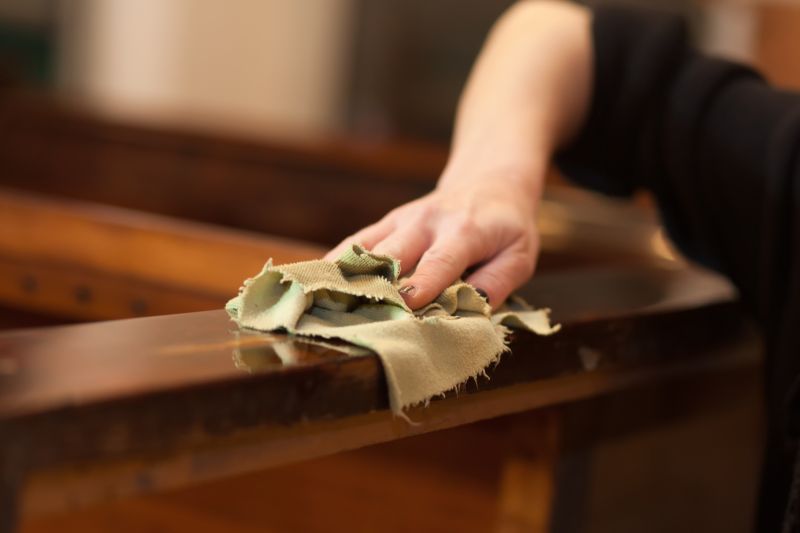
Surface Cleaning and Polishing - Restoring the finish's luster through cleaning and polishing shares foundational skills with furniture restoration, emphasizing surface preparation and finishing. We help find professionals who excel in surface restoration and polishing techniques.
When exploring options for furniture restoration, it’s important for homeowners to consider the experience of the service providers with similar needs. While many companies may offer common furniture restoration techniques explained on their websites, understanding whether they have a history of working on comparable pieces or styles can provide valuable insight into their expertise. Homeowners should look for reputable references or reviews that speak to the quality of their past work, ensuring that the provider’s skills align with the specific restoration goals. Since every piece of furniture is unique, finding a provider with a proven track record in similar projects can help ensure the results meet expectations and preserve the character of the original piece.
Clear, written expectations are essential when comparing furniture restoration options. Homeowners are encouraged to ask potential providers to outline the scope of work, including the techniques they plan to use and the materials involved. This transparency helps prevent misunderstandings and ensures that both parties are aligned on the desired outcome. It’s also wise to inquire about the process for handling any unforeseen issues or adjustments during the project. Establishing this clarity upfront can make the entire experience smoother and more satisfying, giving homeowners confidence that their furniture’s restoration will be handled professionally and thoughtfully.
Good communication and overall fit are key factors when selecting a furniture restoration provider. Homeowners should seek out providers who are responsive, willing to answer questions, and able to clearly explain their approach to common furniture restoration techniques explained. A provider’s ability to listen and adapt to specific needs often reflects their dedication to quality craftsmanship and customer satisfaction. While we do not perform the work ourselves, the lead-generation forms on this page are designed to connect homeowners with reputable service providers in their area who can best meet their individual restoration needs. By considering experience, clarity of expectations, and communication, homeowners can make informed decisions that lead to successful furniture projects tailored to their personal style and preferences.
People often search for common furniture restoration techniques explained when they are comparing options, planning visits, or looking for the right service. The lead form on this page can help connect homeowners with local Furniture - Furniture Restoration providers for everyday needs and straightforward situations.
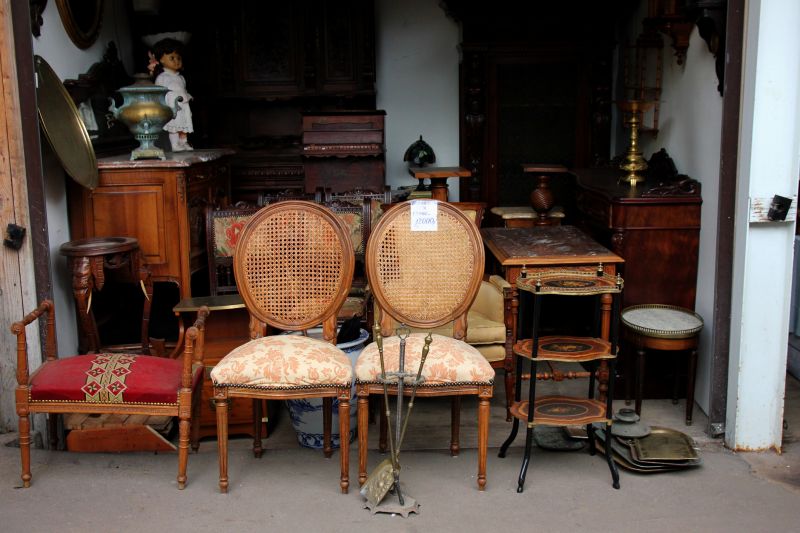
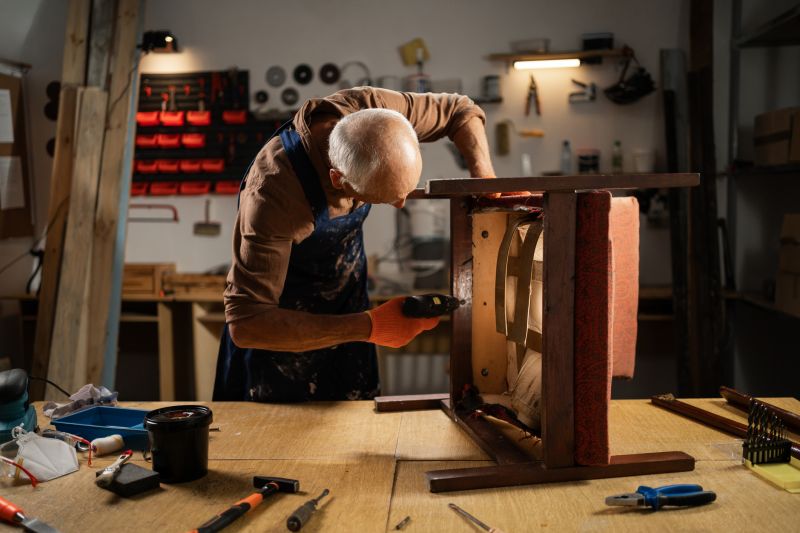
In many homes around the area, furniture that has seen better days can be brought back to life with some simple restoration techniques. Whether it's a beloved antique, a family heirloom, or a piece that just needs a refresh, understanding the basics of furniture repair can help homeowners decide when to try a DIY approach or when to seek professional help. Common furniture restoration methods like sanding, staining, and reupholstering are often enough to transform worn or outdated pieces into beautiful, functional accents that add personality to any space.
For those considering working with a local furniture restoration provider, knowing the common techniques involved can make the process feel less overwhelming. Professionals typically use methods such as stripping away old finishes, repairing structural damage, and applying protective coatings to ensure durability. While this guide does not perform the work, it aims to help homeowners understand their options and the value of connecting with experienced specialists who can handle these techniques with skill and care. The forms on this page are designed to collect lead details and can connect homeowners with trusted service providers in their area, making it easier to find the right help for furniture that needs a little love.
What are common furniture restoration techniques explained? Common furniture restoration techniques explained include methods such as sanding, refinishing, reupholstering, and repairing damaged wood. These techniques help restore furniture to its original beauty or give it a fresh look. While we do not perform these services ourselves, our platform connects homeowners with skilled local providers who specialize in these methods.
How does refinishing work in furniture restoration? Refinishing involves removing old paint or stain, repairing surface imperfections, and applying new finish to enhance the furniture's appearance. This technique can revitalize worn or faded pieces. Our service connects homeowners with local experts who can perform refinishing tailored to each piece’s needs.
What is reupholstering and when is it used? Reupholstering is the process of replacing or repairing the fabric and padding of furniture like sofas and chairs. It is used when furniture has worn out fabric or structural issues. We do not reupholster furniture ourselves but can connect homeowners with trusted local reupholstery specialists.
Can furniture be repaired without stripping the existing finish? Yes, some repairs can be made without stripping the existing finish, such as spot repairs or touch-ups. However, more extensive restoration may require stripping and refinishing. Our platform links homeowners to local restoration providers who can advise on the best approach for each piece.
Are there techniques for restoring antique furniture? Yes, techniques such as careful cleaning, gentle repairs, and specialized refinishing are used for antique furniture to preserve its value and character. Since we do not perform these services ourselves, we connect homeowners with experienced local artisans who specialize in antique restoration.
Refinishing techniques - We highlight how understanding refinishing methods can help homeowners evaluate whether a furniture restoration provider has the right skills for their project.
Repair and restoration methods - Recognizing common repair techniques allows consumers to ask informed questions about a provider’s approach to fixing damaged furniture pieces.
Surface preparation processes - Knowledge of surface prep steps enables homeowners to gauge the thoroughness and professionalism of restoration services offered locally.
Preservation and refinishing options - Exploring different preservation techniques helps in selecting providers experienced in maintaining the integrity and beauty of vintage or antique furniture.
If you are researching common furniture restoration techniques explained, this guide is meant to help you understand this topic, the typical service types, the benefits homeowners often look for, and how different provider options might fit what you are looking for.
When you are ready, you can use the form on this page to share a few details about what you need. From there, your information can be used to connect you with strong local providers that match what you have in mind.